The Infrastructure Stack Behind Agent Companies That Charge per Seat and Stay Profitable
Suspending idle micro-VMs keeps per-seat agent margins healthy.
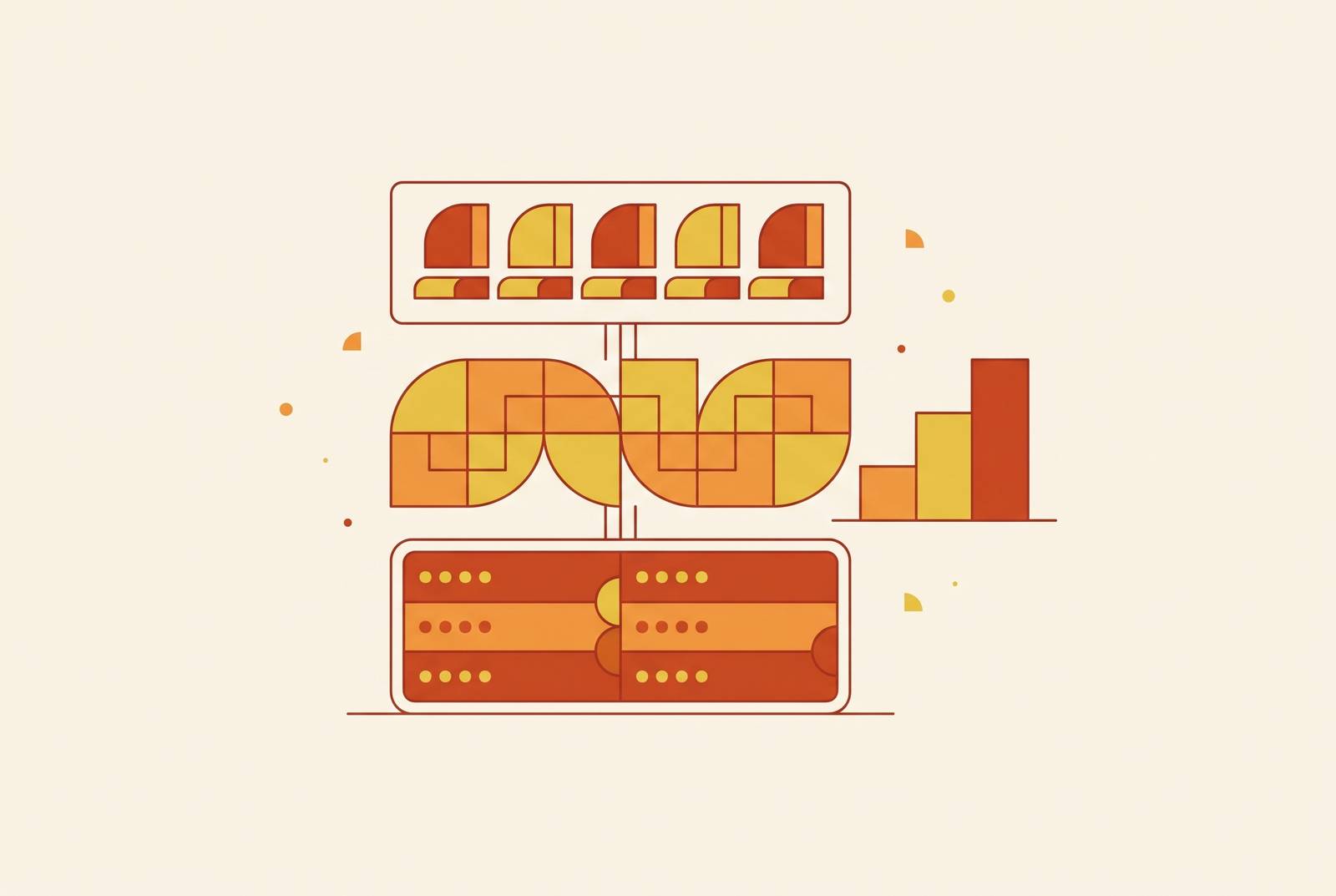
Persistent AI agent infrastructure fits long-running, stateful work better than stateless serverless functions because it preserves the machine between interactions without requiring continuous compute. For agent companies charging per seat, profitability depends on separating persistent state from paid runtime. Isolated micro-VMs, sleep/wake billing, and disposable task sandboxes are the financial controls that make that separation possible.
Why per-seat pricing creates a structural cost problem for agent companies
The pricing model that closes enterprise deals also punishes vendors that build on the wrong infrastructure. Buyers get a predictable monthly fee per user, while vendors take on the cost of whatever work that user triggers. A seat collects the same fee whether its user is active or absent, but an always-running machine keeps generating compute charges in both cases.
Enterprises call unused licenses “zombie seats” because they pay for people who are not using the product. Vendors face the mirror image when they keep compute running for every provisioned user. The unused seat still consumes their margin. Adding customers then adds idle machines as well as revenue, leaving the business with a cost structure that the flat seat fee cannot correct.
Why do long-running AI agents fail on serverless infrastructure?
A web request finishes and releases its resources. An agent session accumulates a filesystem, installed packages, running processes, and mid-task context that may need to survive until the next interaction. That difference changes the unit of hosting. The useful unit is no longer just an invocation but an environment whose state persists across turns.
Stateless serverless execution starts an environment, runs work, and discards it. That model fits completed requests, but it does not, by itself, preserve an agent’s ongoing machine.
The LLM-in-Sandbox paper treats the computer environment, including terminal access, file management, and code execution, as a component that shapes an agent’s capabilities. Yet giving an agent a computer also changes the security model. Generated code is not the same as code written in-house and checked through CI/CD. Shared-kernel containers leave the host and neighboring tenants exposed to a broader blast radius, so persistence alone is not enough.
Micro-VM isolation as the security floor for multi-tenant agent workloads
For multi-tenant agents that run untrusted code, hardware-enforced kernel isolation for each session is the least security they need. Firecracker gives each session its own kernel through hardware virtualization, rather than putting every session behind the same host-kernel boundary. That separation is a business requirement when one customer’s code runs near another customer’s data.
The available isolation approaches are not interchangeable. Firecracker/KVM micro-VMs provide hardware-backed isolation, while Kata Containers provide virtualization-backed isolation through a standard container interface. gVisor instead uses a user-space application kernel and syscall interposition. These approaches differ in security strength, startup latency, and compatibility, so treating them as equivalent “sandboxes” hides a decision the business needs to make explicitly.
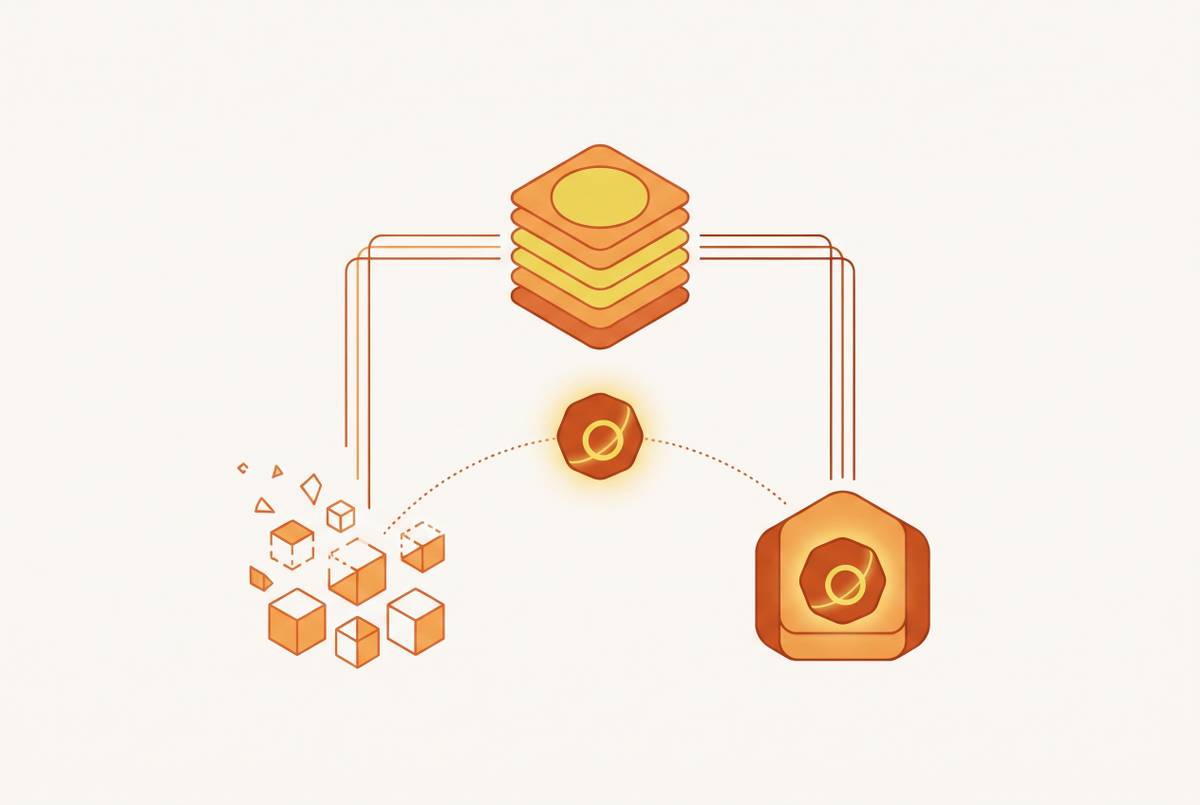
The SAP/Oxford secure agent architecture paper identifies sandboxed execution as an essential complement to plan-then-execute patterns, least-privilege tool access, and task-scoped permissions. No single control replaces the others here. Tiered sandboxing can match isolation to each task’s threat model, but arbitrary code execution and user-uploaded content call for the strongest layer. Micro-VMs also provide the snapshot-and-restore mechanism that lets this isolation boundary become a cost-control boundary.
Sleep/wake billing as the mechanism that makes per-seat margins work
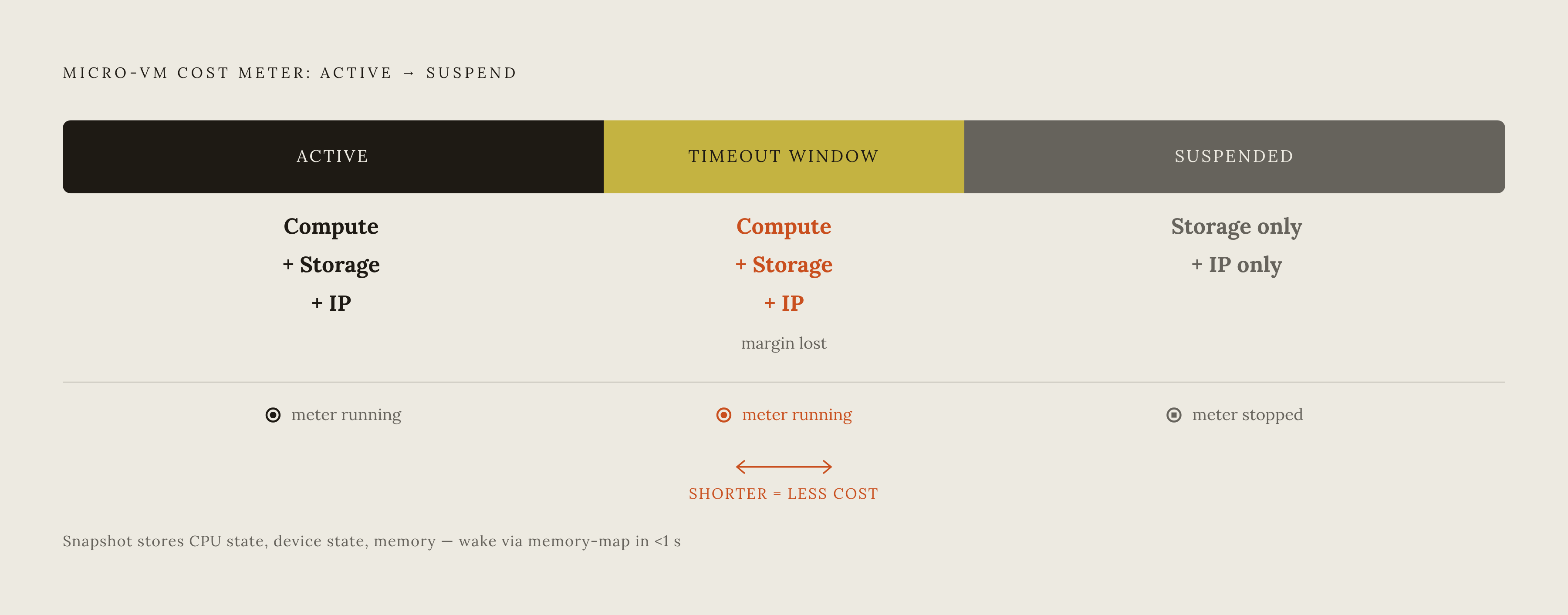
A suspended micro-VM incurs storage-only costs. That is the central economic mechanism here. Firecracker can snapshot a running machine’s CPU register state, device state, and memory to disk. On restore, it memory-maps the snapshot and resumes execution instead of booting a new kernel, allowing the machine to return in well under a second.
With per-second billing, the vendor pays for active task time. A user who is idle for most of the day adds near-zero compute cost during that idle time and still pays the monthly fee. Sleeping does not make the entire environment free. Attached storage and reserved IP addresses continue to incur charges, but the compute meter stops while the machine is suspended.
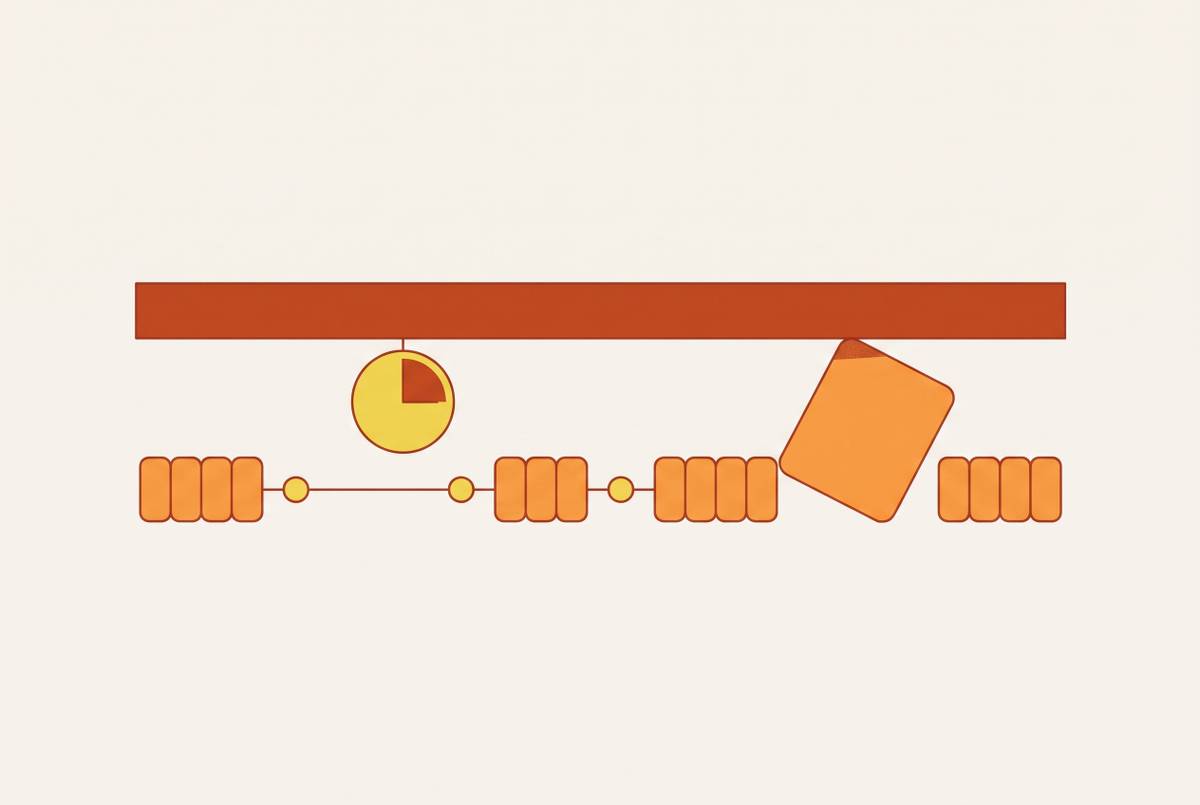
The timeout-to-suspend setting determines how long that meter runs after useful work stops. A longer timeout means paying for more idle runtime, while a shorter one puts the machine into storage-only suspension sooner. This is a margin lever. It controls how much is spent on idle compute that could be avoided, though it cannot cut the time that active tasks need. The sublinear cost argument depends on how much seats are used as well as how they are billed, because sleep/wake keeps unused seat time from turning into paid runtime.
Persistent state and snapshot/resume as the product experience that justifies the price
Cheap suspension has commercial value only if the resumed agent feels continuous to the user. A saved file alone cannot deliver that. Snapshot/resume must preserve the machine environment, including its filesystem, installed packages, running processes, and mid-task context. The agent can then pick up where it paused instead of asking the user to rebuild the working environment.
A persistent agent box accumulates tools, credentials, signed-in services, and project context over time. Sleep/wake preserves that accumulated value without requiring the vendor to pay compute charges merely to keep the machine warm. Persistence and continuous execution are separate properties, and the architecture needs only the first between interactions.
There is still a correctness boundary to handle. Restoring a machine cannot undo an API call that was already made, an email that was already sent, or a database row that was already written. The outside world does not rewind with the snapshot. Vendors therefore need explicit handling strategies for external side effects across checkpoint and resume.
Throwaway sandboxes per task as the complement to persistent agent boxes
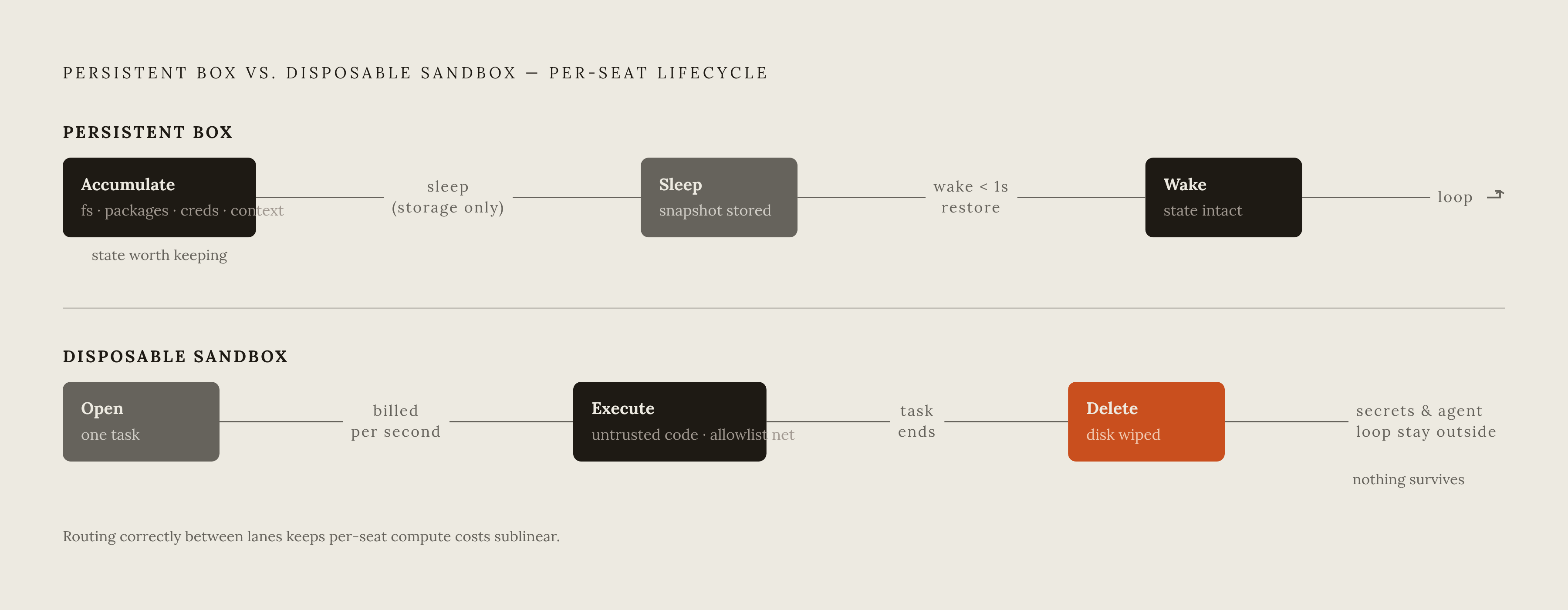
The same accumulated state that makes a persistent box valuable makes it the wrong place for every task. Signed-in services, stored credentials, and project files need to be kept safe from risky execution. Untrusted code, model-output evaluation, and one-shot automations belong in disposable environments. A throwaway sandbox can be deleted with its disk when the task ends, without destroying the user’s ongoing workspace.
The two environments serve different purposes by design. The persistent box holds context worth keeping, while the disposable sandbox handles work whose environment should not survive. In the disposable pattern, the agent loop runs outside the sandbox, secrets stay outside, and outbound access goes through an allowlist.
That separation also gives each task a bounded compute cost. The sandbox opens for the task, is billed per second, and closes when the work ends. There is no idle session to maintain afterward. This complements sleep/wake rather than replacing it, because ongoing user context and temporary execution have different lifetimes. Forcing both into the same machine would discard useful state or preserve an environment that should be thrown away.
Running evals and RL rollouts at scale without destroying per-seat margins
Customer sessions are not an agent company’s only compute expense. Evals and reinforcement-learning rollouts create a second cost center that does not directly track seat revenue. An efficient user-facing environment therefore does not establish profitability if internal batch work consumes the savings.
Rollouts generate concurrent code-execution work that can overwhelm CPUs when it runs on the main training process. GPUs then wait for execution to finish, leaving training work on hold. Slow tasks make the problem worse still. When most rollouts finish but one runs long, the training batch can remain blocked by that straggler, repeating the waste across a training run.
Decoupling rollout infrastructure from training infrastructure lets each scale independently. Disposable sandboxes provide the same isolated execution unit used for temporary customer tasks, expanded into a swarm for batch work. The LLM-in-Sandbox paper also shows models learning environment interaction through training on non-agentic data within the sandbox. That makes the sandbox part of model development itself. Its cost belongs in the product’s economics even though customers never see the bill.
Computer-use agents on Windows and Android and what it costs to support them per seat
Some valuable workflows cannot be served through a Linux sandbox or an API integration. Legacy EHR systems, Citrix desktops, loan origination systems, and Android-only apps require agents to operate the relevant desktop or mobile environment. Supporting those platforms adds to the infrastructure needed for each seat. Healthcare, lending, and insurance customers may need a Windows or Android machine where another workflow needs only a Linux micro-VM.
Microsoft’s UFO3 Galaxy framework illustrates cross-device orchestration across Windows, Linux, and Android. It builds on the earlier UFO2 Desktop AgentOS approach, which uses host and per-app agents to bring together UI Automation, native app APIs, and vision. Galaxy uses a different coordination layer instead. Its ConstellationAgent and TaskOrchestrator handle cross-device orchestration, rather than simply carrying over the earlier host-agent architecture.
The economic consequence is a heavier machine per supported seat. Windows and Android virtualized environments make sleep/wake discipline more important because leaving them continuously active consumes more compute than the Linux equivalent. Regulated workflows add a further product requirement. A human operator must be able to take over the agent’s desktop without restarting the session, so screen and input access belong in the infrastructure design.
HIPAA, DPA, and audit logging as infrastructure requirements, not legal overhead
HIPAA’s Security Rule treats an AI vendor handling protected health information as a business associate, with administrative, physical, and technical safeguard obligations. Isolation, data boundaries, and audit controls need engineering support. A data processing agreement still needs those controls behind it.
Logs need to establish which agent accessed which data, what it did, when, and from where. Recording only that an AI tool was used is insufficient. Micro-VM isolation serves a different part of the safeguard design by placing each user’s data and processes behind a separate kernel boundary. It helps with technical safeguards, but more is needed to meet every obligation.
These controls also support the customer segments willing to pay the highest seat fees. The cost of building these controls can be shared across the seat base because they need not be rebuilt for each user. That changes the economics as adoption grows. Infrastructure for isolation, logging, and data-boundary enforcement becomes cheaper per seat as more customers use it. Compliance work can therefore support a scale advantage, provided the product implements the controls those customers require.
Choosing the right machine type per task type to control cost per seat
Choose the machine shape at the task level. Coding sessions that run for a long time, research workflows, and user environments with installed tools belong in persistent agent boxes that sleep between tasks. Their state needs to outlast their compute time. Untrusted execution and one-shot automations instead belong in ephemeral micro-VMs deleted when the task completes, with the agent loop and secrets kept outside.
For evals and rollout batches, the same disposable unit expands into a swarm of isolated sandboxes. Desktop and mobile tasks require another shape. Windows or Android virtualized environments serve legacy apps, Citrix environments, EHR systems, and phone-only workflows, with suspension controlling the extra cost of their heavier environments.
Across these shapes, the infrastructure vendor runs the computer while the agent developer keeps its own model and keys. That separation keeps responsibilities and costs clear. The economic result depends on disciplined routing, per-second billing, and sleep/wake on idle. With utilization kept within the intended bounds, the vendor can retain useful state for every seat while holding a compute cost curve that grows more slowly than seat revenue.